
智能数据管理
Carbon Blockchain (IOBT)
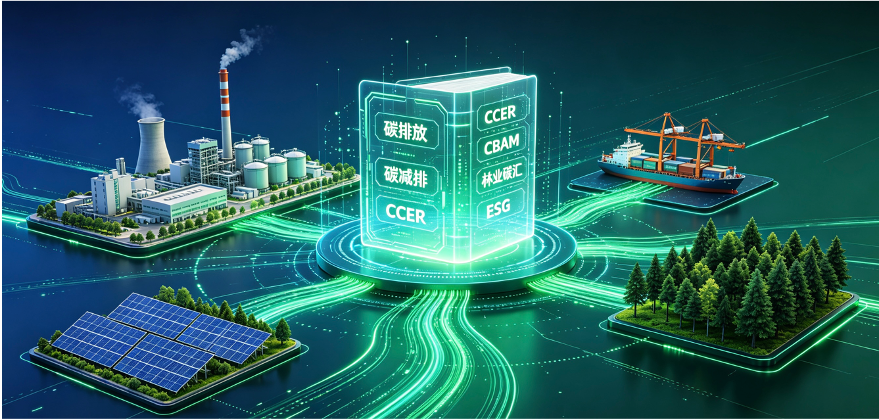
Carbon blockchain is a professional technical system for the dual-carbon field and is not a virtual digital currency. It stores carbon emissions, carbon reduction, and carbon asset information on the blockchain to ensure that carbon data is authentic, reliable, fully traceable, and tamper-proof. It solves the pain points of traditional carbon management, such as data fraud, cumbersome verification processes, and duplicate trading of carbon assets, and provides enterprises and institutions with comprehensive services for trusted carbon management and carbon asset digitization.
With global carbon and ESG regulations tightening, China has implemented a mandatory and voluntary dual-track carbon market and restarted the CCER program; Germany has implemented the EU ETS and CBAM; and Singapore and Malaysia are promoting mandatory ESG disclosure, leading to the booming development of cross-border carbon trading. Carbon data traceability and verification have become a necessity for corporate compliance, and the industry has vast growth potential.
It primarily serves high-energy-consuming and emission-controlled enterprises in the power, steel, and chemical industries; export-oriented manufacturing enterprises in the automotive and photovoltaic industries; entities involved in forestry carbon sink and new energy projects; and financial institutions such as banks, funds, and ESG consulting firms.
Core technologies
▪ Automatic data upload to the blockchain: Connects to IoT terminals to collect raw data such as energy consumption, emissions, photovoltaics, and forestry monitoring. Once uploaded to the blockchain, the data cannot be deleted or tampered with.
▪ Distributed shared ledger*: Enterprises, regulators, and third-party verification agencies share the same ledger, with multiple parties simultaneously storing evidence to avoid opaque operations.
▪ On-chain carbon asset ownership confirmation: Generates unique on-chain digital certificates for CCERs and forestry carbon sinks, completely solving the problem of “selling one carbon multiple times”.
▪ Smart contract automatic execution: Automatically complete carbon allowance settlement and carbon asset transfer and delivery, reducing the risk of manual operation.
▪ On-chain regulatory verification: Regulators can access on-chain data at any time to efficiently complete compliance reviews.
Application scenarios
▪ Automated management of enterprise carbon ledgers to support carbon emission accounting and ESG reporting disclosure.
▪ Carbon sink and CCER project certification ensure the authenticity and credibility of carbon credit trading.
Exporting companies can trace their carbon footprint across the entire supply chain to meet EU compliance requirements.
▪ Establishment of a dual-carbon digital platform for industrial parks and cities
▪ Provide credible carbon data endorsement for green credit and green bonds


